Eco-Friendly Hiking Gear

What You Actually Need on the Trail
BY DEBORAH DOVER | MAR 9th, 2026
15 min read
____________________________________________________
Introduction: The Trail Teaches Simplicity
Early morning light filters through tall pine trees as the trail slowly wakes up. Dew clings to the grass, birds call from somewhere above the canopy, and the earthy scent of damp soil fills the air. With each step, the noise of everyday life fades behind you.
Hiking has a way of reminding us how little we actually need. A good pair of shoes. A bottle of water. A comfortable shirt. Maybe a warm mug of coffee waiting at the trailhead afterward.
Yet as more people rediscover the simple joy of hiking, there’s also a growing awareness that what we bring into nature matters. The gear we choose can either support the environment we love or quietly add to the environmental strain outdoor spaces already face.
That’s why many hikers today are turning toward eco-friendly hiking gear—equipment and clothing designed to reduce environmental impact while still performing well on the trail.
The good news? You don’t need a closet full of expensive gear to hike responsibly. In fact, the most sustainable hikers often keep things simple.
Let’s explore what eco-friendly hiking gear you actually need on the trail—and what you can happily leave behind.
1️⃣ Choose Eco-Friendly Hiking Clothes That Are Built to Last
One of the most overlooked parts of sustainability is durability.
While fast fashion has resulted in inexpensive, easily discarded garments, hiking gear should not be subject to the same approach. The most sustainable choice is often clothing that lasts for years instead of months.
When choosing eco-friendly hiking clothes, look for materials that balance comfort, durability, and environmental responsibility.
Some of the best options include:
Organic cotton
Recycled polyester
Hemp-based fabrics
Responsible wool blends
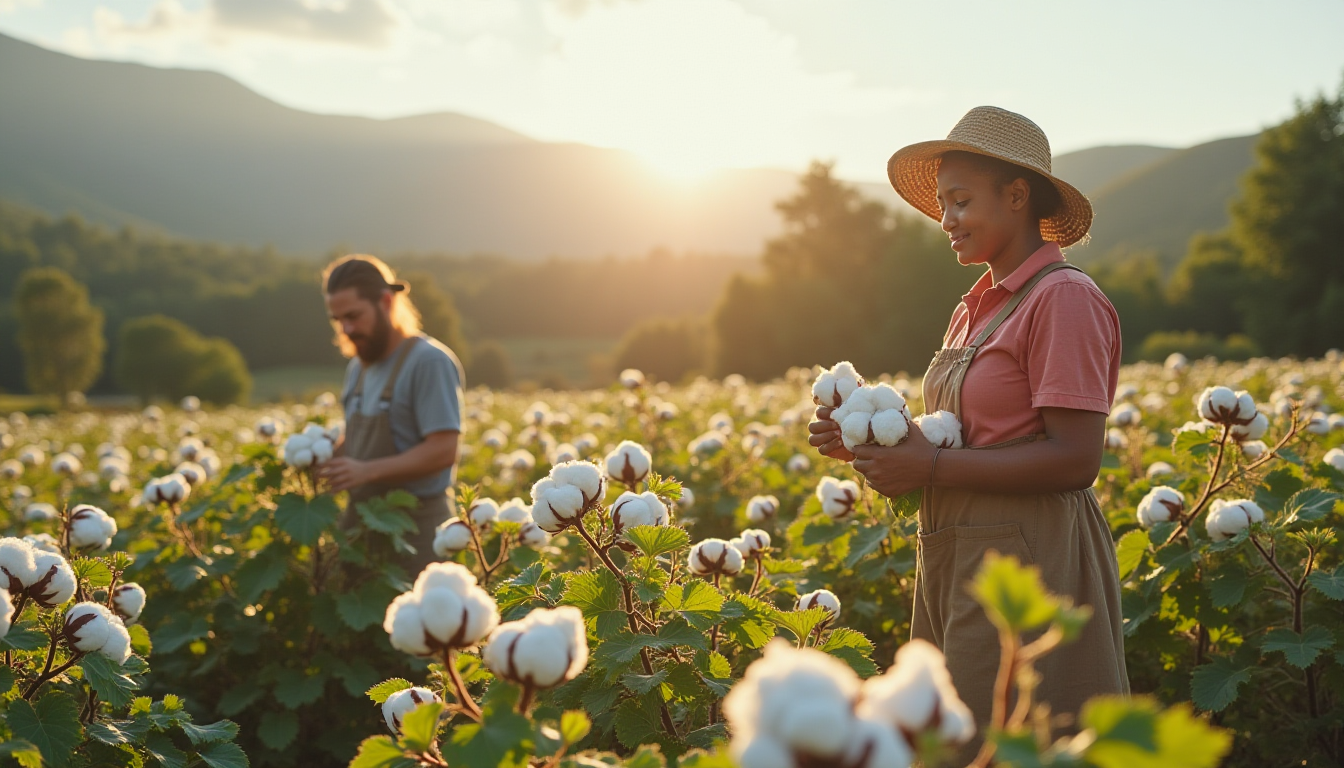
Many hikers love organic cotton hiking shirts because they’re breathable, comfortable, and free from harsh chemical treatments often used in conventional cotton farming.
On a moderate trail walk or a weekend hike in your local state park, a soft trail-inspired t-shirt made from organic cotton can be more than enough. It’s comfortable, durable, and fits perfectly with the relaxed hiking lifestyle.
The key is buying fewer items but choosing better quality. Instead of rotating through multiple cheap shirts every season, a well-made piece of sustainable outdoor apparel can last years with proper care. If you're curious about how responsible hiking habits protect nature, you may also enjoy reading our guide to Leave No Trace Principles, which explains how small choices make a big difference outdoors.
Sustainability on the trail often starts with what we wear.
2️⃣ Simplify Your Pack With Multi-Purpose Gear
Many beginner hikers assume they need an entire catalog of equipment before hitting the trail. But seasoned hikers know something different: the best pack is usually the lightest one.
Minimalism is one of the hidden secrets of eco-friendly hiking gear. The fewer items you carry, the fewer products need to be manufactured, shipped, and eventually replaced. Look for gear that serves more than one purpose.
For example:
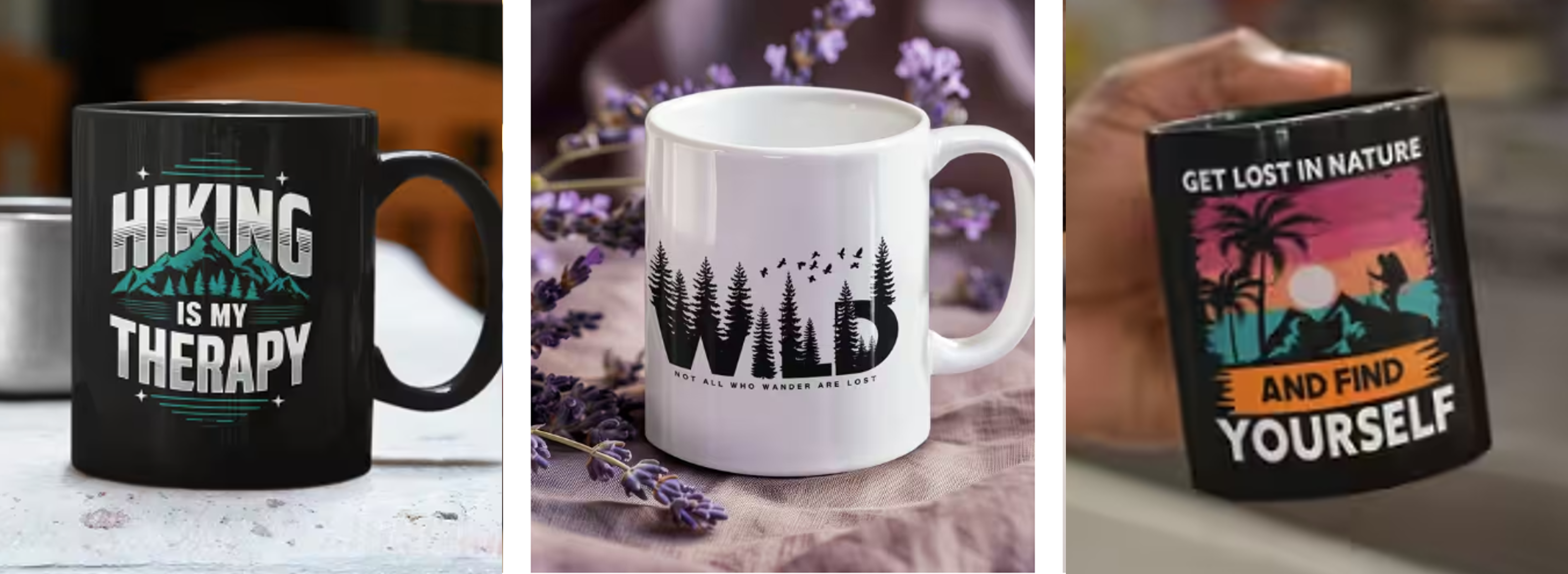
A durable stainless-steel mug that works for coffee, soup, or trail tea
A versatile hiking cap that provides sun protection and warmth
A lightweight layer that works across multiple seasons
A simple hiking mug might come along for a sunrise summit or sit beside you during a quiet break overlooking a lake. These everyday trail items become part of the hiking experience rather than disposable gear. Trail-inspired mugs and hats often become favorite pieces not because they’re technical, but because they remind us of the lifestyle we love.
Another benefit of multi-purpose gear is that it naturally reduces waste over time. Instead of buying specialized items for every situation, you build a small collection of reliable equipment that works on most hikes.
This method makes hiking easy and low-cost for beginners. If you're new to outdoor adventures, our article on the Benefits of Hiking Outdoors explores why even simple gear can lead to incredible experiences on the trail.
3️⃣ Choose Hiking Clothes That Age Well
Some hiking gear actually looks better with time. A sun-faded hat. A trail shirt that’s been washed after dozens of adventures. A mug that has warmed your hands on cold mornings. These items carry stories.
When selecting hiking clothes that last, think about long-term wear rather than short-term trends.
Look for features like:
Reinforced stitching
Pre-shrunk fabrics
High-quality printing or embroidery
Materials that soften instead of breaking down
Well-made, sustainable outdoor apparel often ages gracefully. Organic cotton, for example, tends to soften over time while maintaining its strength. This is why many hikers build a small collection of reliable trail shirts or comfortable caps they reach for again and again. It’s not about owning a lot of clothing. It’s about owning pieces that feel like part of your outdoor life.
When you invest in gear that lasts, you reduce waste, save money over time, and avoid the constant cycle of replacing worn-out items. That’s a win for both hikers and the planet.
For more ideas on responsible outdoor equipment, explore our full guide to Eco-Friendly Hiking Gear, where we dive deeper into sustainable materials and gear choices.
4️⃣ Support Brands That Respect the Outdoors
Sustainability isn’t only about materials—it’s also about mindset. The best outdoor brands share a simple philosophy: if we love the outdoors, we should help protect it.
When evaluating eco-friendly hiking gear, look for brands that emphasize:
🌿 responsible sourcing
🌿 low-impact materials
🌿 small-batch or thoughtful production
🌿 durable products designed to last
Some brands also focus on trail culture itself—celebrating the joy of hiking through everyday gear like caps, mugs, and comfortable trail shirts. These kinds of items often become part of hikers’ routines: the hat that always goes in the daypack, the mug used at the campsite, or the shirt worn on weekend trail walks.
They’re small reminders of the outdoor lifestyle even when you’re not on the trail. Supporting brands that value sustainability helps create demand for better manufacturing practices across the entire outdoor industry.
Every purchase becomes a quiet vote for the kind of world we want to hike in, and when those choices align with our values, the trail feels even more meaningful.
5️⃣ Remember: The Most Sustainable Gear Is the Gear You Already Own
Here’s the truth many outdoor companies won’t tell you. You probably already own most of the eco-friendly hiking gear you need. A comfortable shirt. A sturdy pair of shoes. A water bottle. A hat for sunny days.
Sustainability doesn’t mean replacing everything you have with new “green” products. In fact, the most environmentally responsible choice is often simply using what you already own for as long as possible.
Before buying new gear, ask yourself:
Does my current item still work well?
Can I repair it instead of replacing it?
Can it serve another purpose on the trail?
This mindset keeps gear out of landfills and reduces unnecessary manufacturing. Over time, when something truly needs replacing, that’s when choosing eco-friendly hiking clothes or responsibly made gear makes sense.
The hiking lifestyle is naturally aligned with sustainability. After all, spending time in nature tends to make us want to protect it, and sometimes the most sustainable approach is simply appreciating what we already have.
Practical Takeaways You Can Apply This Weekend
If you're looking to make your hiking habits more sustainable, start with these simple steps:
🌿 Choose clothing made from organic or durable materials.
🌿 Buy fewer items, but select gear that will last years.
🌿 Look for multi-purpose gear that reduces what you carry.
🌿 Repair worn items before replacing them.
🌿 Support outdoor brands that prioritize sustainability.
🌿 Pack light and focus on enjoying the trail.
Small decisions like these add up over time.
FAQ: Eco-Friendly Hiking Gear
What is eco-friendly hiking gear?
Eco-friendly hiking gear refers to equipment and clothing designed to reduce environmental impact. This often includes items made from organic, recycled, or responsibly sourced materials that are built to last.
Do I need special eco-friendly gear to start hiking?
No. Most beginners can hike comfortably with everyday clothing and basic gear. Sustainability often starts by using what you already own.
Are organic cotton hiking shirts good for hiking?
Yes. Organic cotton hiking shirts are breathable, comfortable, and ideal for casual hikes or moderate trails. They’re especially popular for relaxed outdoor adventures and everyday hiking lifestyles.
How can I make my hiking gear last longer?
Wash clothing gently, avoid excessive heat when drying, repair small tears early, and store gear properly between hikes.
Is sustainable outdoor apparel more expensive?
Sometimes—but it often lasts much longer. Over time, durable gear can actually save money by reducing how often you need to replace items.
Conclusion: Hiking Lightly on the Earth
One of the beautiful lessons hiking teaches us is that life doesn’t have to be complicated. The trail reminds us to slow down, breathe deeply, and appreciate the natural world around us.
Choosing eco-friendly hiking gear is simply an extension of that mindset. It’s about making thoughtful decisions that respect the places we explore and the landscapes that inspire us. You don’t need the newest gear or the most technical equipment to enjoy the outdoors.
Often, the best hiking experiences come from simple things—a comfortable shirt, a trusted mug, a favorite trail hat, and a quiet path through the woods. When we hike with care, we help preserve those trails for the next generation of explorers, and that might be the most meaningful adventure of all.
To understand the importance of sustainable fashion, it's crucial to look at the damage caused by fast fashion
Environment Impact
The fashion industry is the second-largest consumer of water and contributes to about 10% of global carbon emissions. The dyeing and treatment of textiles is a major source of water pollution
Waste
Approximately 92 million tons of textile waste is generated each year. Most of it ends up in landfills or incinerated.
Microplastics
Synthetic fabrics like polyester release microplastics into water systems when washed, polluting oceans and harming marine life
Labor Exploitation
Many fast fashion brands rely on low-paid workers in developing countries, often under poor and unsafe working conditions
What We Believe?
We believe that great style should never come at the cost of the planet or people. Sustainability is woven into the fabric of everything we do—from sourcing eco-friendly materials and partnering with ethical manufacturers to minimizing waste and promoting mindful consumption. We carefully curate and design our collections with longevity in mind, focusing on timeless pieces that transcend trends. Our commitment extends beyond the products themselves; we strive to educate and empower our community to make conscious fashion choices that contribute to a better world.

Conclusion: A Collective Responsibility
Sustainability in fashion isn’t just a trend; it's a global movement driven by urgency, innovation, and hope. From the cotton fields to your closet, every choice matters. Brands, consumers, and creators all have a role to play in transforming the industry.
By supporting sustainable practices, we're not just changing fashion—we're protecting our planet, empowering communities, and shaping a future where style and sustainability walk hand in hand.
So the next time you shop, ask yourself: Are you wearing the change you want to see?